Context: Toongether is a B2C comics creation mobile app (~100k MAU).
This is a short overview of creative strategy and production work I led for the acquisition of Toongether, a mobile webcomics creation app using generative AI for visuals.
A curated selection from a much larger volume, as output was high and constantly iterated to stay ahead of creative fatigue. Each video here was a top performer of its test wave.
Toongether was a young platform still finding its product-market fit (0→1 stage), so we tested aggressively: positioning angles, audience niches, and product features through marketing, ahead of development.
Several tests directly shaped the app's roadmap, art styles, and content focus.
after effects · photoshop · figma · capcut
01
Finding the audience
A big part of webcomics and casual creation is fanfic, so we positioned through IPs and fandoms, then narrowed to the ones that converted.
muted
0:38 · hover previews · click for soundtap for sound
IP testing
Mainstream fandoms
Tested positioning around existing IPs. Mainstream fandoms (Harry Potter, Percy Jackson) had huge reach, but too few of those fans overlapped with comics and anime culture to convert. (e.g. AO3 fanfic writers were too committed to text-based creation)
This example was built on outsourced UGC footage.
Shift →Moved to anime-native audiences, where the overlap with creation was higher.
muted
0:21
IP testing
Anime-native audiences
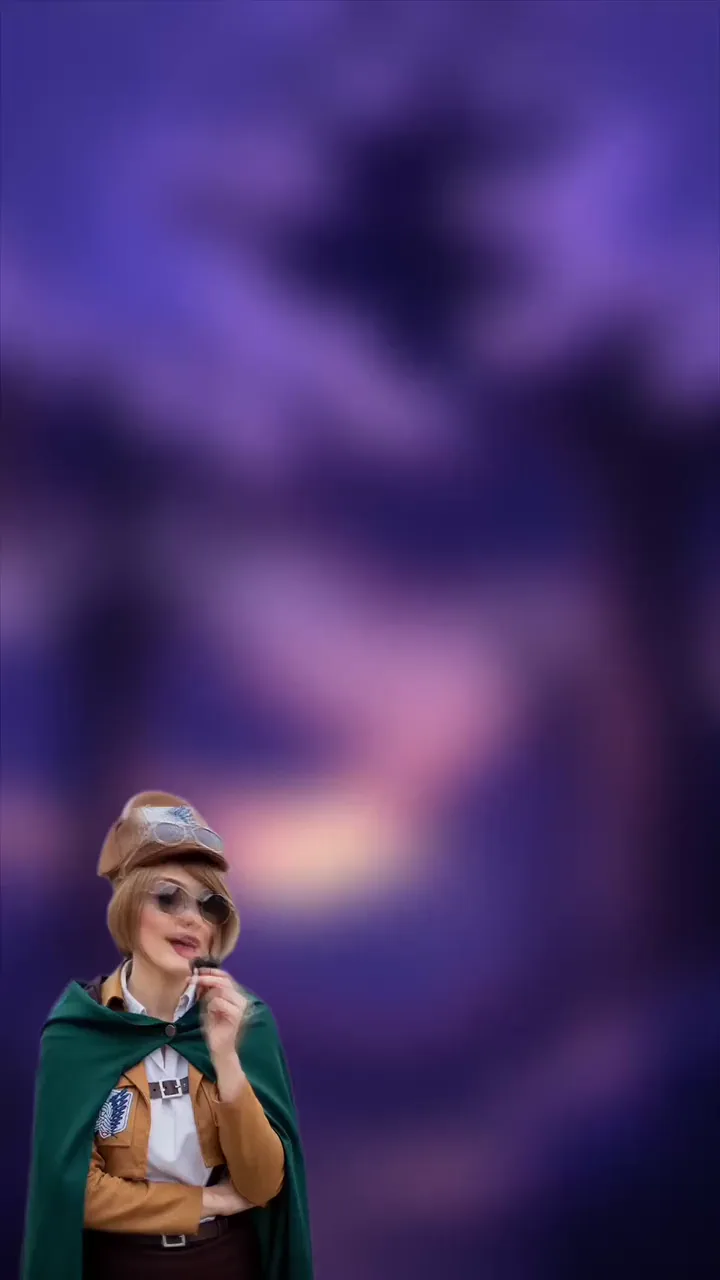
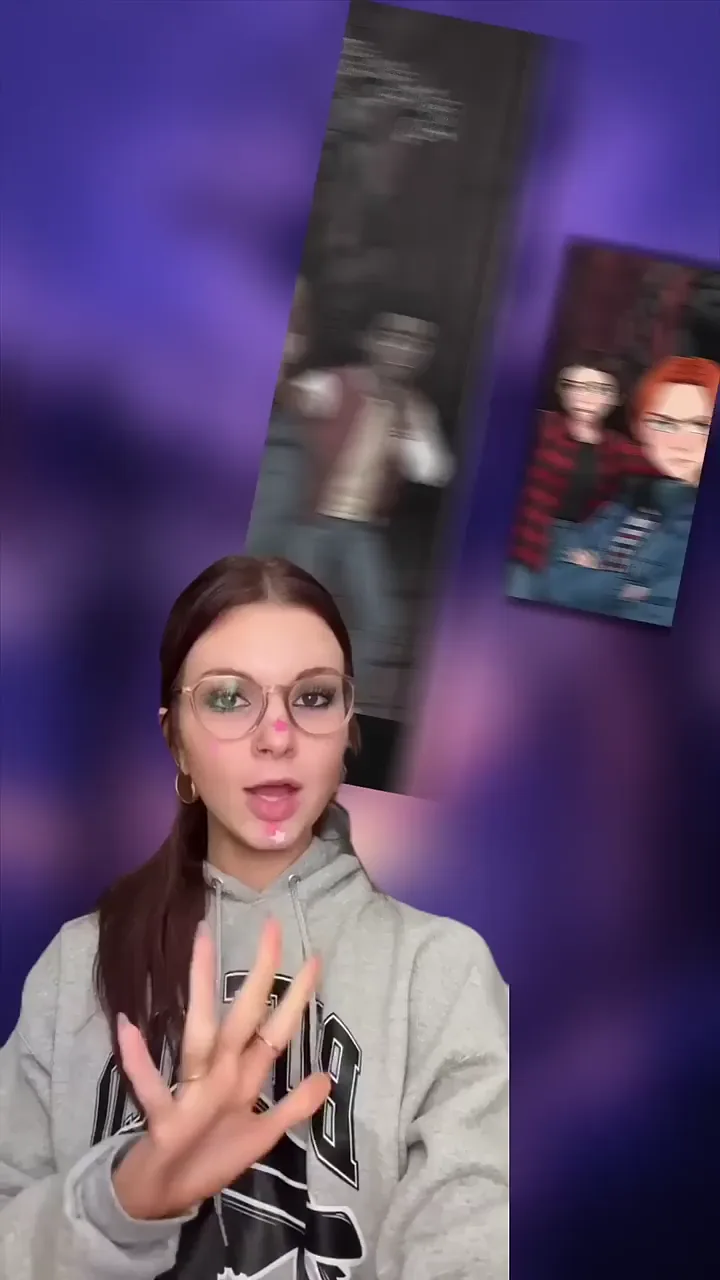
Tested Attack on Titan and My Hero Academia. This winner uses an AI UGC character matched to the anime's music and energy: it converts like real UGC and costs almost nothing to produce and iterate.
Learned →AoT performed, but was less fanfic-compatible than MHA, which is built around character relationships rather than plot. Fandom type mattered more than size.
muted
0:18
MHA
MHA-native creatives
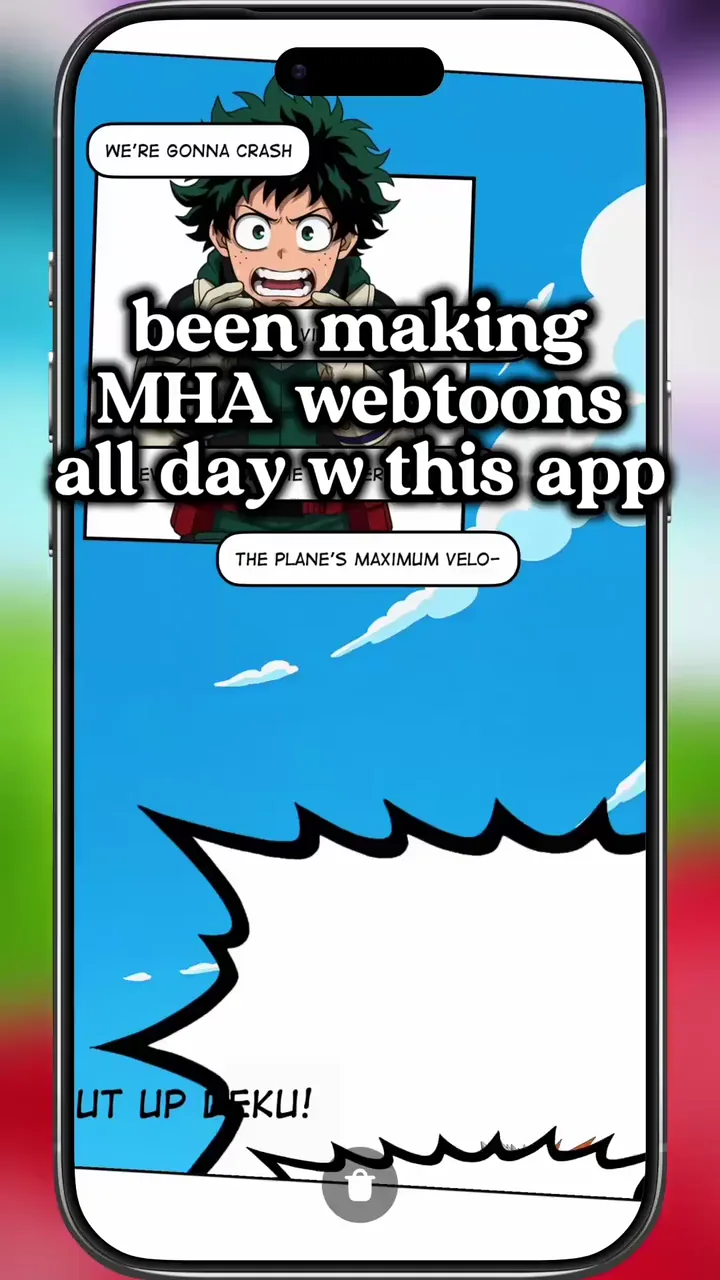
My Hero Academia turned out to be a hugely positive signal: an enormous fanfic culture centered on character relationships, exactly the material casual creators want to make. Anime fans are also more familiar with comics/manga out of the box.
The first wave over-performed, so I immersed myself in the fandom to learn its codes. Those codes shaped both sides: sharper UA targeting, and in-app content aligned with retention.
Result →Strong installs, top performers. From this point we moved our fanfic and IP targeting fully to MHA.
muted
0:32
MHA
Iterating the winners
Iterated on the winners ahead of creative fatigue. This creative leans on a beloved character pairing and its fanfic themes, the codes the fandom resonates with. A timelapse format with high energy and quick pacing to match the IP's vibe.
Impact →High traction and installs, with a visible echo in-app: a wave of fanfic comics around the same theme, made by users who stayed to create.
Alignment →Created in-app MHA content, characters, locations, events, to align retention with UA so the strong installs these creatives drove were met with the best possible retention.
02
Creative as product discovery
Ads as a cheap way to test product decisions before writing product code.
muted
0:18
Concept
Testing a feature before building it
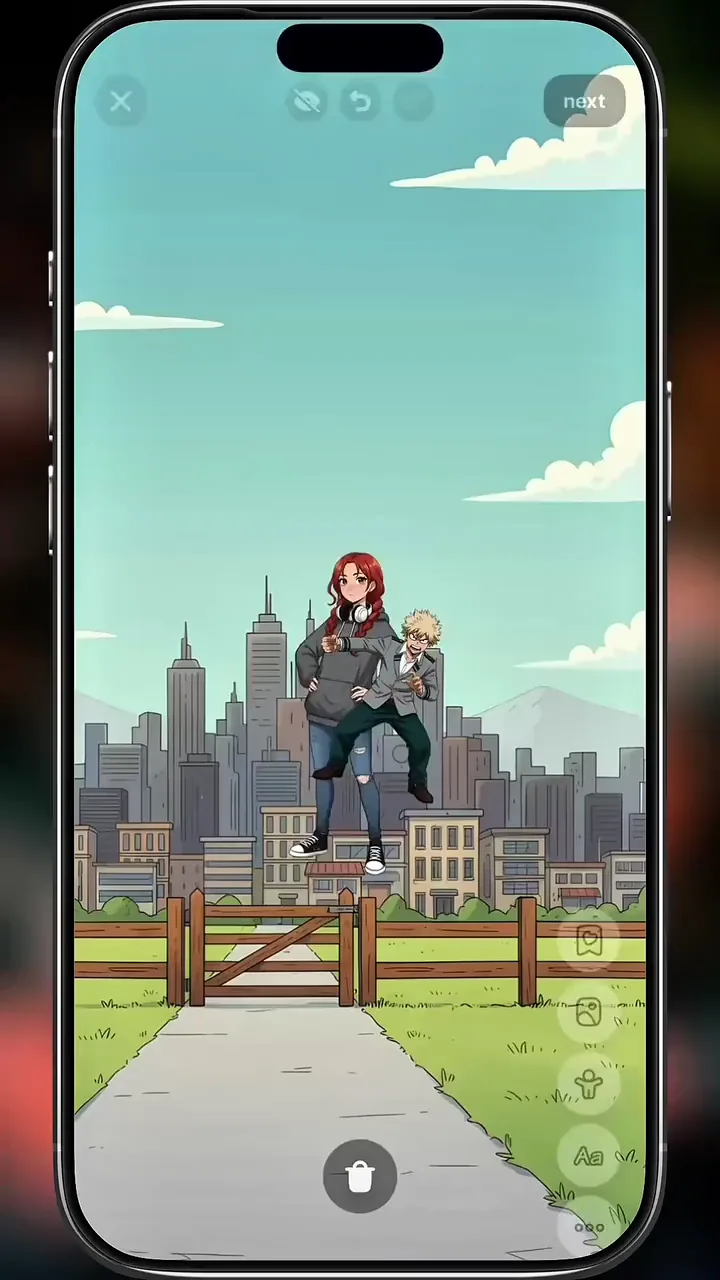
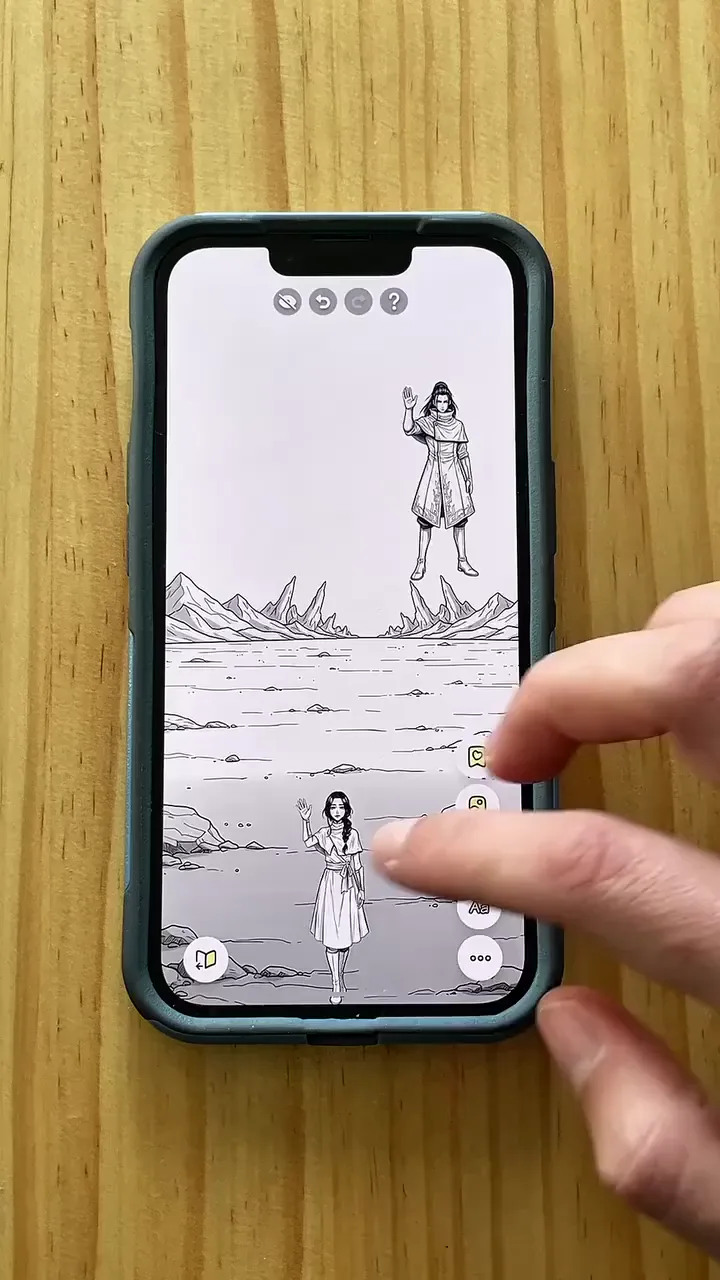
Made an ad for a feature that didn't exist yet: draw or import a character, run it through the genAI pipeline, generate poses. Presented as if it were already live.
Result →One of our strongest creatives. A clear demand signal.
Impact →We built the feature. It's now one of the most-used tools in the app.
03
Finding the format
With the audience set, the question became what shape the ads should take.
muted
0:15
Tool format
App as tool
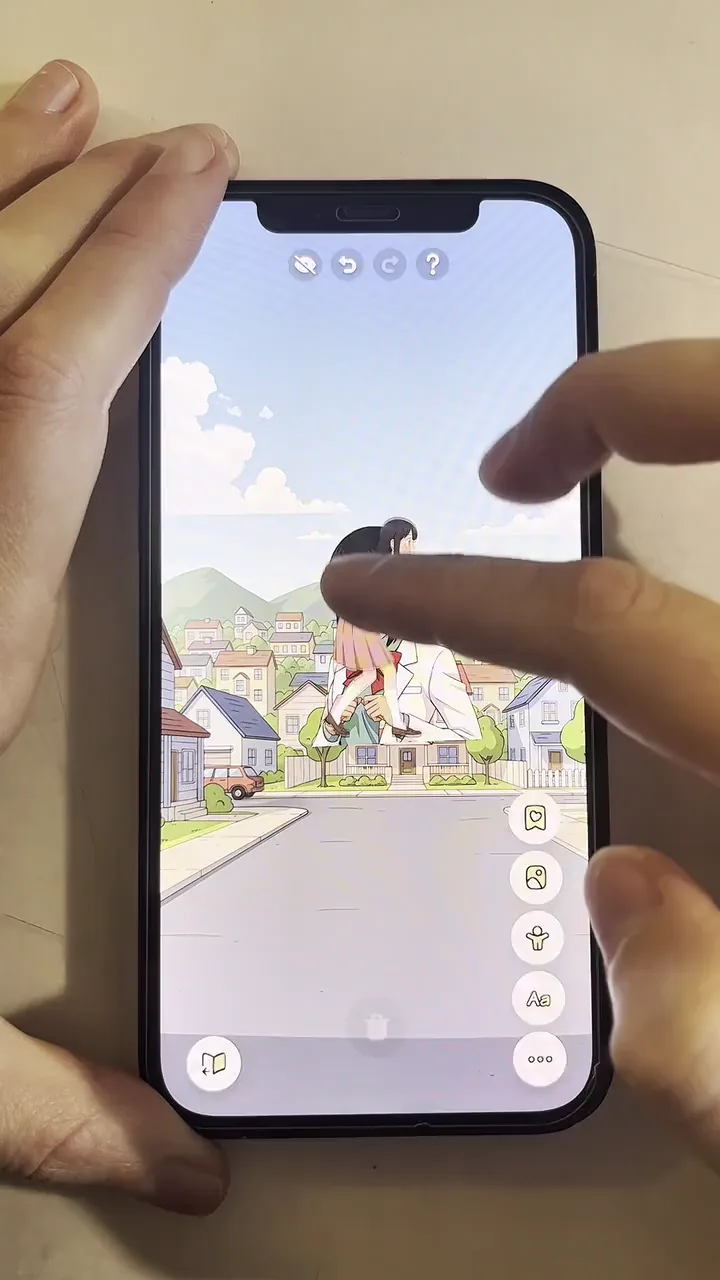
Tested positioning the app as a mobile creation tool. Studied how tools like IbisPaint positioned and structured their ads, and adapted those formats to us.
Winner →Short screen recording, casual, with a fingers-on-screen overlay to keep it relatable and non-corporate.
muted
0:13
Tool format
Style iterations
Iterated the format across styles and hooks.
Impact →This became a core format we kept building on.
muted
0:13
Tool format
The zoom-in hook
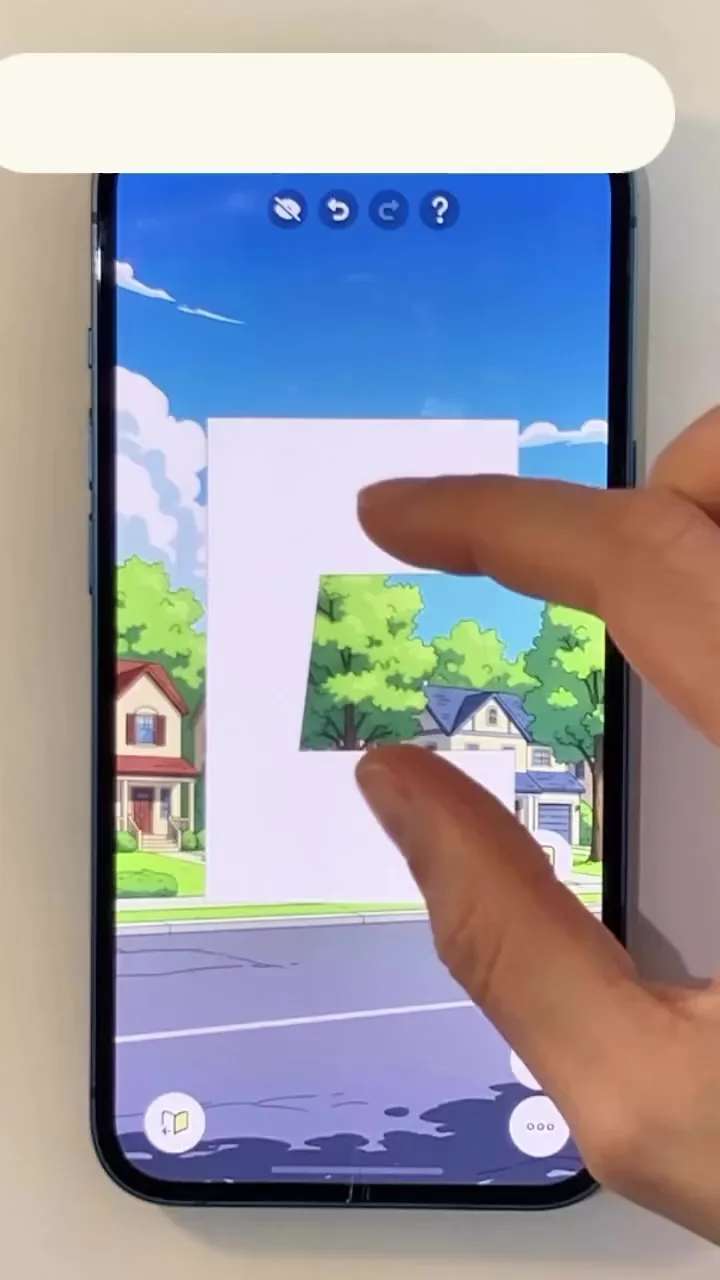
Found the real hook inside that format: the zoom-in gesture in the panel editor.
Impact →Standardized into most creatives afterward. A repeatable hook did more for consistency than any single winning video.
04
Expanding the audience
Once the format worked, the question became who else to reach.
muted
0:07
Manhwa
Manhwa and romance
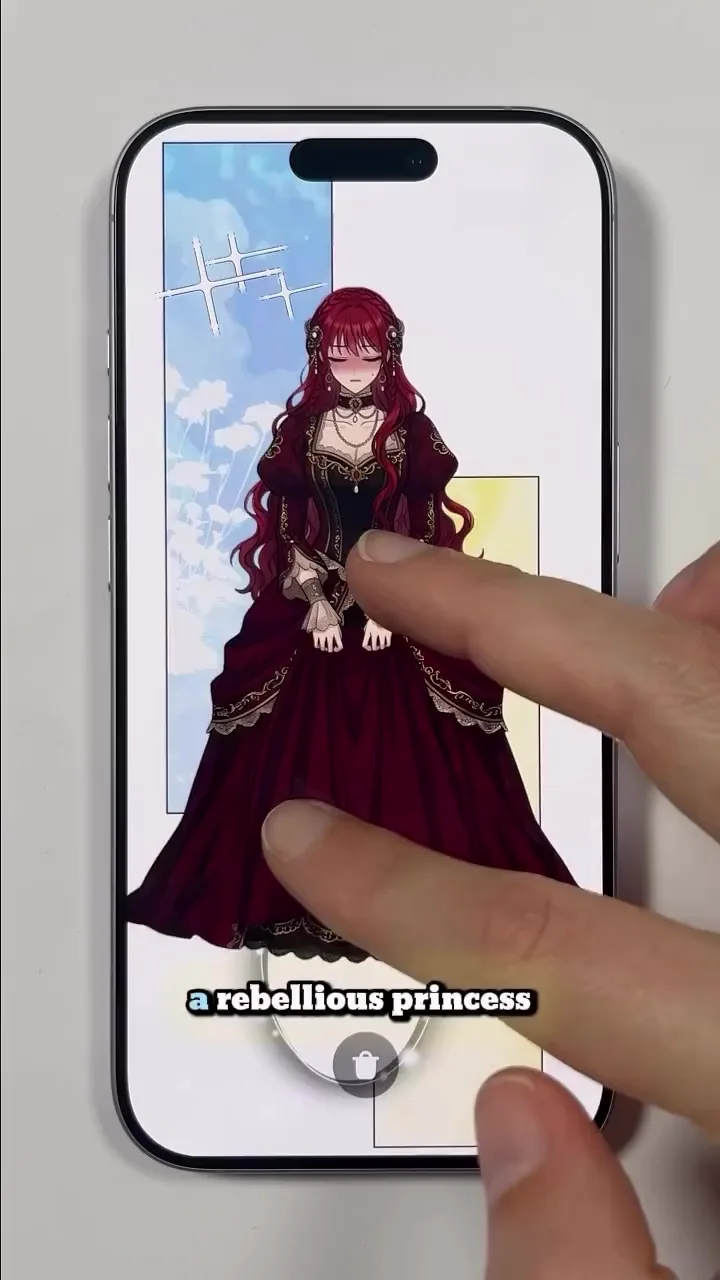
After the fanfic and IP success, we wanted to explore other audiences. We tried a few angles, aiming at webcomics-native audiences: a seemingly obvious overlap market-wise. However the trick was to target creators rather that readers (e.g. 99% of webtoon's audience is made of readers, which wouldn't convert well).
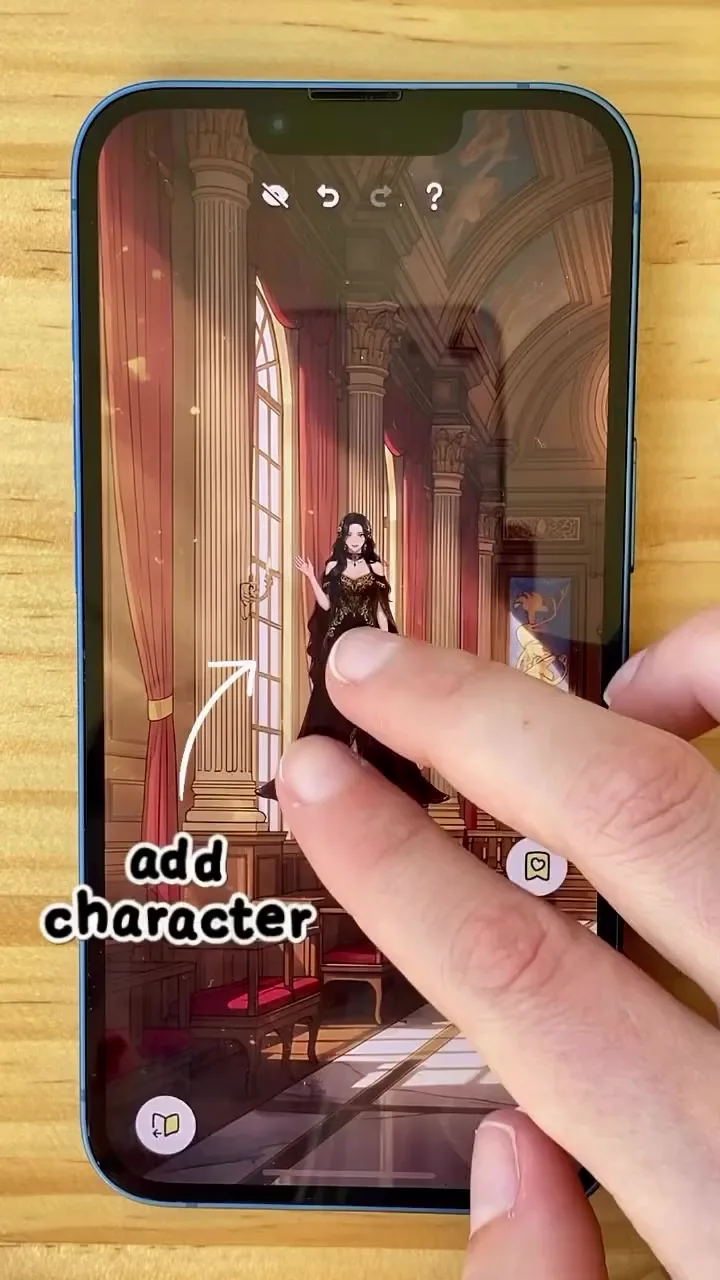
We landed on manhwa and romance because of multiple factors such as market share, and compatibility with our AI generation pipelines (visual expectations for a shonen comic/manga are extremely high, whereas romance/manhwa leans more on character interactions and emotions, aligning best with the flows we provided in-app).
Made the assets and story concepts by hand, added them to the app for seamless creative production, then crossed them with proven formats.
muted
0:16
Manhwa
Voiceover and story framing
A second pass on the same audience: added voiceover and a light storytelling beat, since this audience cares about stories between characters, not just tool showcases.
Impact →Worked well enough that I built the manhwa art style inside the app, aligning what we acquired on with what we retained. In-app content then fed back into the creatives.
Roadmap →The test surfaced a market question, manhwa skews global and Android-heavy against our US/iOS target, and fed into building the Android version ahead of schedule and rethinking the target market.
Where it landed →By this point the system was in place: a proven format, repeatable hooks, and two core audiences, the manhwa and romantasy webcomics niche and MHA fanfic. From there, creative shifted to scaling and iterating ahead of fatigue.
05
Playable ads
Each ad is one self-contained HTML file in the format ad networks take: every asset inlined, hand-written DOM and CSS, no engine, no external requests. Press play and use them like you would on a phone.
preview loop
interactive · 4.8 mb
Playable · MHA
Finish the Comic
Tap the scene, pick one of three reactions, and the panel redraws around your choice.
Shows the story options between characters, the core of the IP and its fanfic, using recognizable anime cues. A preview of the panel editor: performed well, but slightly too complex for a playable ad in hindsight.
single html file · 4.8 mb · vanilla js · no engine · zero requests
preview loop
interactive · 3.4 mb
Playable · romance
Match the Couple
Drag one of three partners onto the heart; each match reveals the couple's kid.
Built off a popular in-app trend: combine two characters, speculate on their kid. Compressed into one action with an immediate payoff.
single html file · 3.4 mb · vanilla js · no engine · zero requests
06
Organic
Beyond paid: content made for the community rather than the ad networks.
muted
1:30
Character
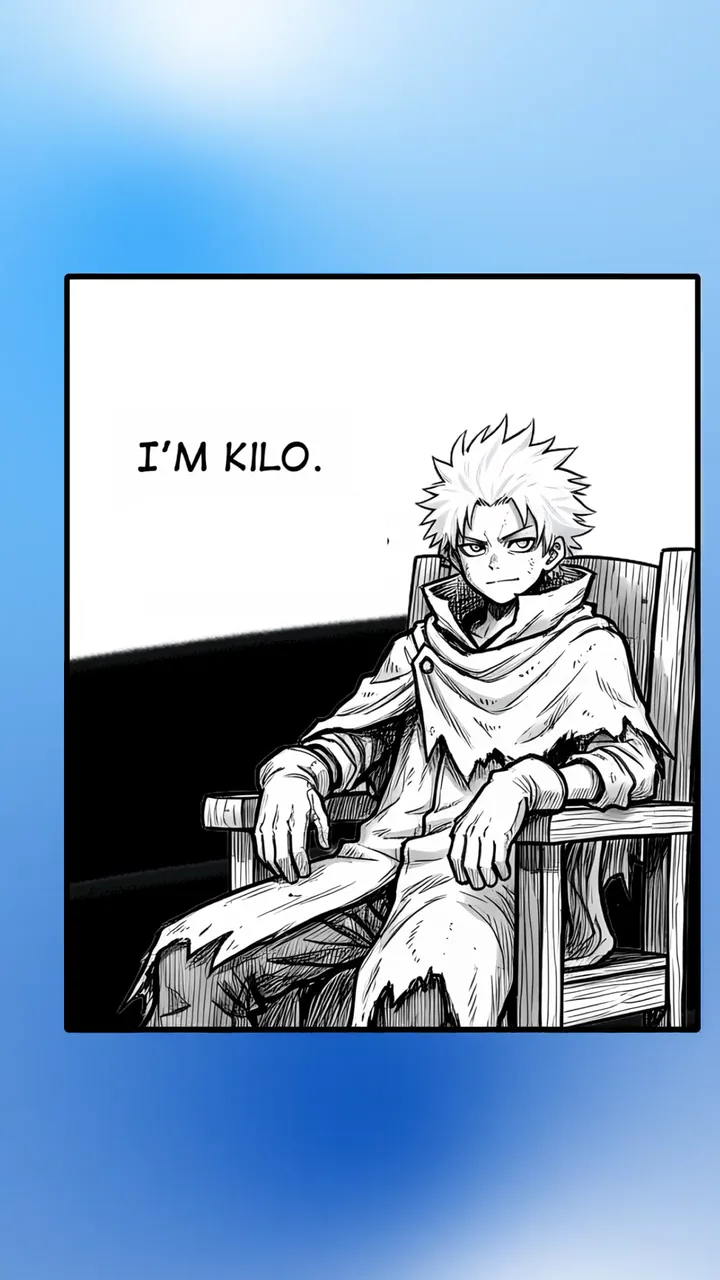
Kilo
Beyond paid, I produced organic content across formats: tutorials, animated renderings of user-created webcomics, event posts, and character-driven pieces.
muted
0:48
Character
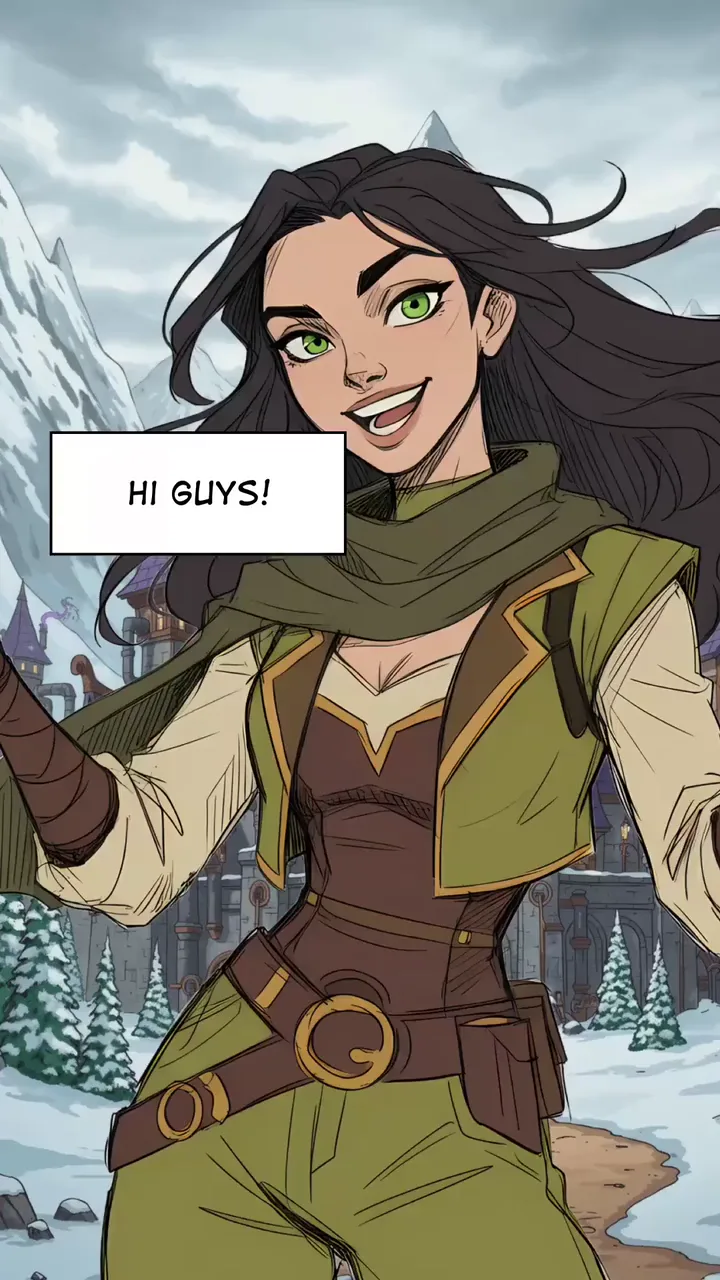
Lara
These introduced in-app characters as ambassadors for new art styles. Native and non-corporate, light rather than branded. Both are animated versions of the comics as they appear in-app, so the community recognizes them instantly.
Impact →Drove organic engagement and fed back into in-app activity.
 muted
muted